
Ingredients
Herbs & spices explained: What goes with what?
A simple guide to which herbs and spices go with what, so everyday ingredients taste better with less guesswork.
Simple Sustenance · 15 October 2026 · 4 min read
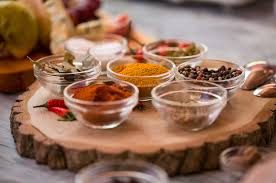
Cooking with herbs and spices is one of the easiest ways to transform simple ingredients into meals full of flavour. Yet many of us reach for the same few seasonings every week, unsure of what pairs well together or how to make the most of what's already sitting in the cupboard.
The good news is that you don't need an extensive spice rack or years of cooking experience to create delicious meals. Understanding a handful of classic flavour combinations can make cooking feel far more intuitive while helping you get more value from every herb and spice you buy.
Why herbs and spices matter
Herbs and spices do much more than add flavour. They help create balance, depth and aroma, turning everyday ingredients into meals that feel carefully prepared.
Using herbs and spices well can also help you:
- Reduce the need for excess salt
- Make affordable ingredients taste more exciting
- Add variety to familiar meals
- Reduce food waste by making leftover ingredients more appealing
- Experiment with different cuisines without buying specialist ingredients
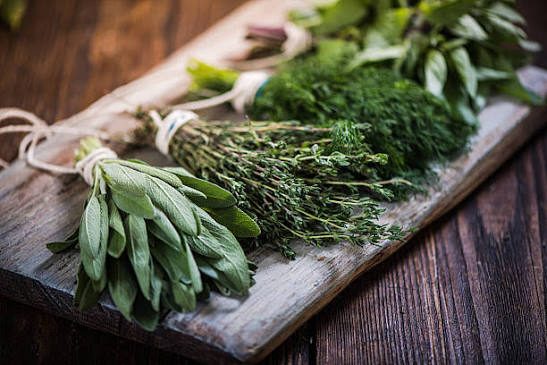
What's the difference?
Although they're often grouped together, herbs and spices come from different parts of plants.
Herbs
Herbs are usually the fresh or dried leaves of a plant.
Common herbs include:
- Basil
- Parsley
- Coriander
- Thyme
- Rosemary
- Oregano
- Mint
Spices
Spices are made from seeds, bark, roots, berries or flower buds.
Examples include:
- Paprika
- Cumin
- Cinnamon
- Turmeric
- Nutmeg
- Cloves
- Ginger
- Black pepper
Both herbs and spices work beautifully together to create layers of flavour.
Fresh or dried?
Fresh herbs tend to provide brighter, lighter flavours and are best added towards the end of cooking.
Dried herbs have a more concentrated flavour and work best when added earlier so they have time to release their aroma.
As a simple guide:
- 1 tablespoon fresh herbs ≈ 1 teaspoon dried herbs
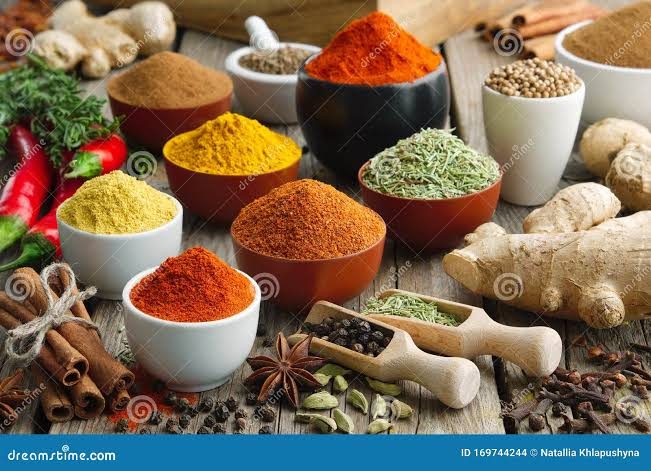
Herbs that pair beautifully with everyday foods
Basil
Best with: Tomatoes, mozzarella, chicken, pasta, courgettes and peppers.
Classic combinations: Tomato and basil soup, pesto pasta and margherita pizza.
Parsley
Best with: Potatoes, fish, chicken, garlic, butter and mushrooms.
Classic combinations: Garlic butter potatoes, parsley sauce and roasted vegetables.
Rosemary
Best with: Roast potatoes, lamb, chicken, carrots, focaccia and olive oil.
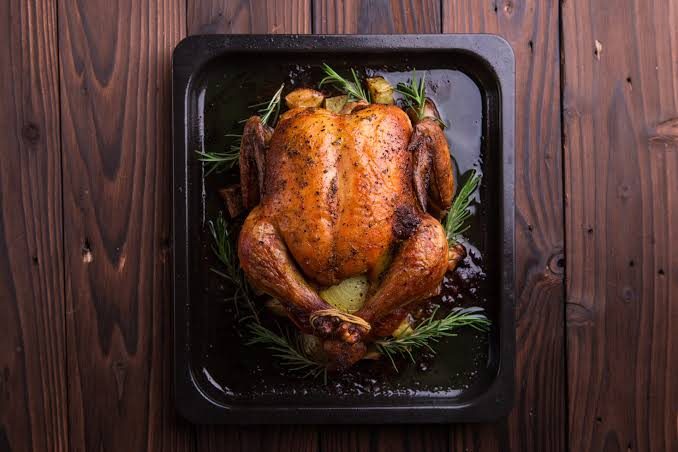
Classic combinations: Rosemary roast potatoes, roasted chicken and homemade bread.
Thyme
Best with: Mushrooms, chicken, onions, beans, root vegetables and casseroles.
Classic combinations: Mushroom soup, slow-cooked stews and roasted vegetables.
Oregano
Best with: Tomatoes, pizza, pasta, beef, peppers and olives.
Classic combinations: Bolognese, pizza sauce and Greek-inspired salads.
Coriander
Best with: Lime, chilli, rice, curries, tacos and avocado.
Classic combinations: Homemade salsa, curries and burrito bowls.
Mint
Best with: Peas, lamb, cucumber, yoghurt, watermelon and lemon.
Classic combinations: Mint yoghurt, pea soup and fresh summer salads.
Essential spices and what they work with
Paprika
Works well with: Chicken, potatoes, peppers, beans and rice.
Flavour: Mild sweetness with a mild smoky flavour depending on the variety.
Cumin
Works well with: Chilli, curries, lentils, chickpeas and beef.
Flavour: Warm, earthy and rich.
Turmeric
Works well with: Rice, curries, cauliflower, lentils and soups.
Flavour: Earthy warmth with vibrant colour.
Cinnamon
Works well with: Apples, oats, pears, sweet potatoes, baking and coffee.
Flavour: Warm sweetness suitable for both sweet and savoury dishes.
Ginger
Works well with: Stir fries, carrots, chicken, cakes and citrus fruits.
Flavour: Fresh with soft heat.
Nutmeg
Works well with: Mashed potatoes, cheese sauces, spinach, creamy pasta and desserts.
Flavour: Mild warmth perfect for creamy dishes.
Black pepper
One of the most versatile seasonings, pairing with almost every savoury dish.
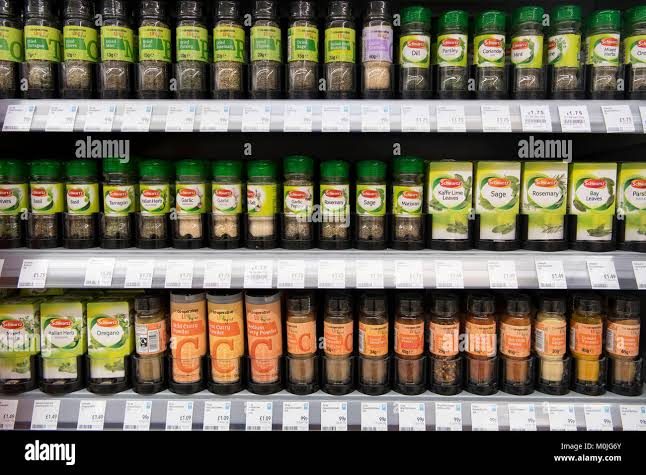
Simple flavour pairings to remember
| Ingredient | Try adding |
|---|---|
| Chicken | Rosemary, thyme, paprika, garlic |
| Beef | Rosemary, black pepper, oregano |
| Fish | Parsley, dill, lemon, garlic |
| Potatoes | Rosemary, thyme, paprika |
| Tomatoes | Basil, oregano, parsley |
| Mushrooms | Thyme, parsley, black pepper |
| Carrots | Thyme, cumin, parsley |
| Lentils | Cumin, turmeric, coriander |
| Chickpeas | Paprika, cumin, coriander |
| Eggs | Chives, parsley, black pepper |
Common herb and spice blends
Italian-style seasoning
Usually combines oregano, basil, thyme, rosemary and parsley.
Perfect for pasta, pizza, tomato sauces and roasted vegetables.
Cajun seasoning
Often contains paprika, garlic powder, onion powder, cayenne, thyme, oregano and black pepper.
Perfect for chicken, wedges and rice dishes.
Curry powder
Typically combines turmeric, cumin, coriander, ginger, fenugreek and black pepper.
Perfect for curries, soups and lentil dishes.
How to build confidence with seasoning
Learning herbs and spices doesn't need to happen overnight.
Try introducing one new herb or spice each week. Cook a familiar recipe and experiment by adding just one new flavour. Over time you'll naturally discover combinations you enjoy, making cooking feel much more intuitive.
Storing herbs and spices
To keep them tasting their best:
- Store them somewhere cool and dry.
- Keep lids tightly sealed.
- Avoid storing them directly above the hob.
- Replace them once they've noticeably lost their aroma.
Although older herbs and spices are generally still safe to use, they gradually lose much of their flavour over time.
The bottom line
Herbs and spices are one of the simplest ways to make everyday cooking more enjoyable. A small collection of versatile seasonings can create hundreds of flavour combinations, helping you make the most of affordable ingredients while adding variety to your weekly meals.
Start with a few favourites, experiment little by little and you'll soon find yourself reaching for herbs and spices with confidence every time you cook.