
Food & nutrition
How to stock a fridge that actually gets used
A practical guide to filling your fridge with food you will genuinely eat, so less goes to waste and everyday meals feel easier.
Simple Sustenance · 24 September 2026 · 7 min read
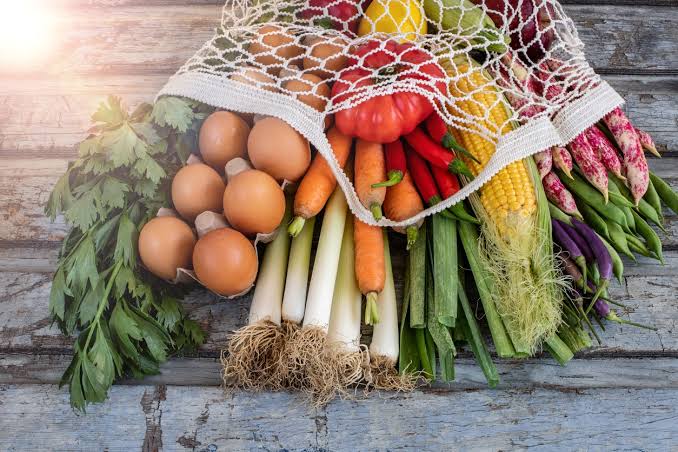
We've all done it.
A weekly shop full of good intentions. Fresh herbs, colourful vegetables, interesting cheeses and ambitious ingredients that seemed like a great idea at the supermarket, only to discover them a week later hiding at the back of the fridge.
A useful fridge is simply one that fits your everyday life. If the food you buy gets eaten, you're already doing something right.
Building a practical fridge helps reduce food waste and makes everyday meals feel easier. Here are a few simple ways to make your fridge work for you.
Start with the foods you genuinely enjoy
Forget what social media tells you your fridge should look like.
If you don't enjoy kale, don't buy kale.
If you'll happily snack on carrots but never touch celery, choose carrots.
A well-stocked fridge should fit the way you already live and eat. You're far more likely to enjoy nutritious meals when they're made with ingredients you genuinely like.
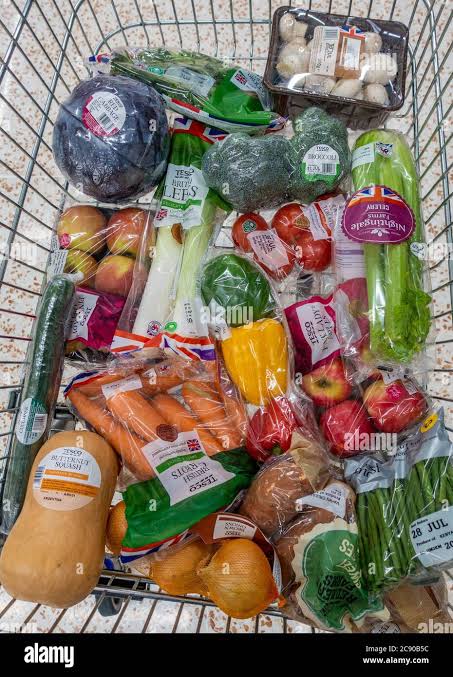
A trolley of fresh, everyday ingredients
Keep ingredients versatile
The best fridge ingredients can appear in several meals throughout the week.
Think about foods that work across breakfasts, lunches, dinners and snacks, such as:
- Eggs
- Spinach
- Peppers
- Cucumber
- Tomatoes
- Greek yoghurt
- Hummus
- Grated cheese
- Cooked chicken
- Tofu
- Milk or plant-based alternatives
When ingredients have more than one purpose, they're much less likely to be forgotten.
Buy fewer fresh items than you think you need
It's easy to overestimate how much fresh food we'll eat.
Instead of filling every shelf, try buying slightly less.
You can always top up with frozen vegetables, frozen fruit or cupboard staples if you need more later in the week.
A smaller shop often means less food ends up in the bin, and your grocery budget stretches a little further too.
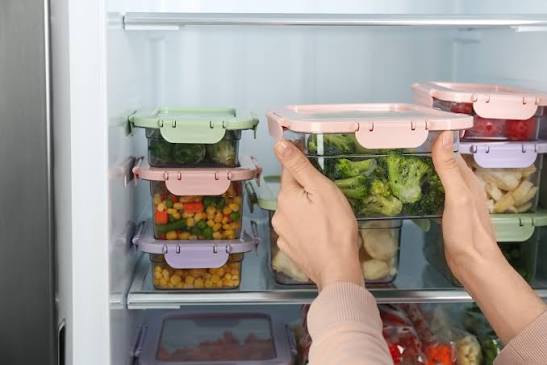
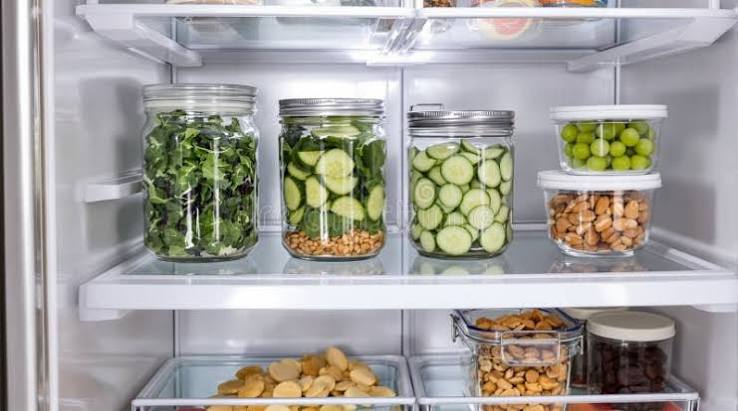
Clear containers make everything easier to see
Make healthy foods easy to reach
The first foods you see are often the first foods you eat.
Store ready-to-eat fruit at eye level.
Wash grapes, berries or apples when you get home.
Slice peppers and cucumbers into containers.
Keep hummus, yoghurt or prepared snacks towards the front of the fridge so they're easy to spot when you're looking for something to eat.
Small changes like these can make healthy choices feel much more convenient.
Have a few reliable sources of protein
Protein helps keep meals satisfying and makes quick lunches easier to put together.
- Eggs
- Cooked chicken
- Tofu
- Cottage cheese
- Greek yoghurt
- Smoked salmon
- Cooked lentils
- Edamame
- Cooked prawns
You only need a few options that you'll use regularly.
Choose a couple of proteins you know you'll use
Leave a little empty space
An overflowing fridge is surprisingly difficult to use.
When everything is packed together, ingredients are easier to overlook and leftovers can quickly disappear behind newer shopping.
Leaving a little space makes everything easier to see and helps you keep track of what you already have.
Give leftovers a chance
Leftovers don't need to be boring.
Store them in clear containers and place them where you'll see them first.
Cooked vegetables can be added to omelettes, wraps, pasta dishes or grain bowls.
Roast chicken works well in sandwiches, salads or soups.
Rice can become fried rice the following day.
Thinking of leftovers as ingredients often makes them much easier to use.
Keep one shelf for grab-and-go foods
Life gets busy.
Having a dedicated section for quick meals and snacks makes everyday decisions a little easier.
This might include:
- Yoghurt
- Boiled eggs
- Chopped vegetables
- Fruit
- Hummus
- Cooked chicken
- Cheese portions
- Overnight oats
Having these foods ready to go can be incredibly helpful on busy days.
A grab-and-go shelf makes busy days easier
Don't overlook frozen food
Frozen fruit and vegetables are incredibly useful.
They're often frozen shortly after harvest, last for months and allow you to use exactly what you need.
Keeping frozen broccoli, peas, berries or spinach on hand means you'll always have something nutritious ready for a quick meal.
Build your fridge around your lifestyle
Someone who cooks every evening will stock their fridge differently from someone working long shifts.
Everyone's shopping list will look a little different, and that's exactly how it should be.
If you mostly prepare quick meals, buy ingredients that support quick meals.
If weekends are when you enjoy cooking, keep more ingredients for those days.
Your fridge should fit naturally into your routine.
A simple shopping framework
If you're unsure where to begin, try aiming for:
- 2–3 protein options
- 4–6 vegetables you'll actually eat
- 2–3 fruits
- 1–2 dairy or plant-based alternatives
- One favourite dip or spread
- A few ready-to-eat snacks
- One or two leftovers or meal-prepped lunches
That's often enough to create a week's worth of simple, satisfying meals.
The bottom line
A useful fridge doesn't need to be full of expensive ingredients or every new superfood. It simply needs foods that you'll enjoy eating and use throughout the week.
When your fridge is stocked with foods you genuinely enjoy, healthy eating becomes simpler, shopping feels less stressful and much less food goes to waste.