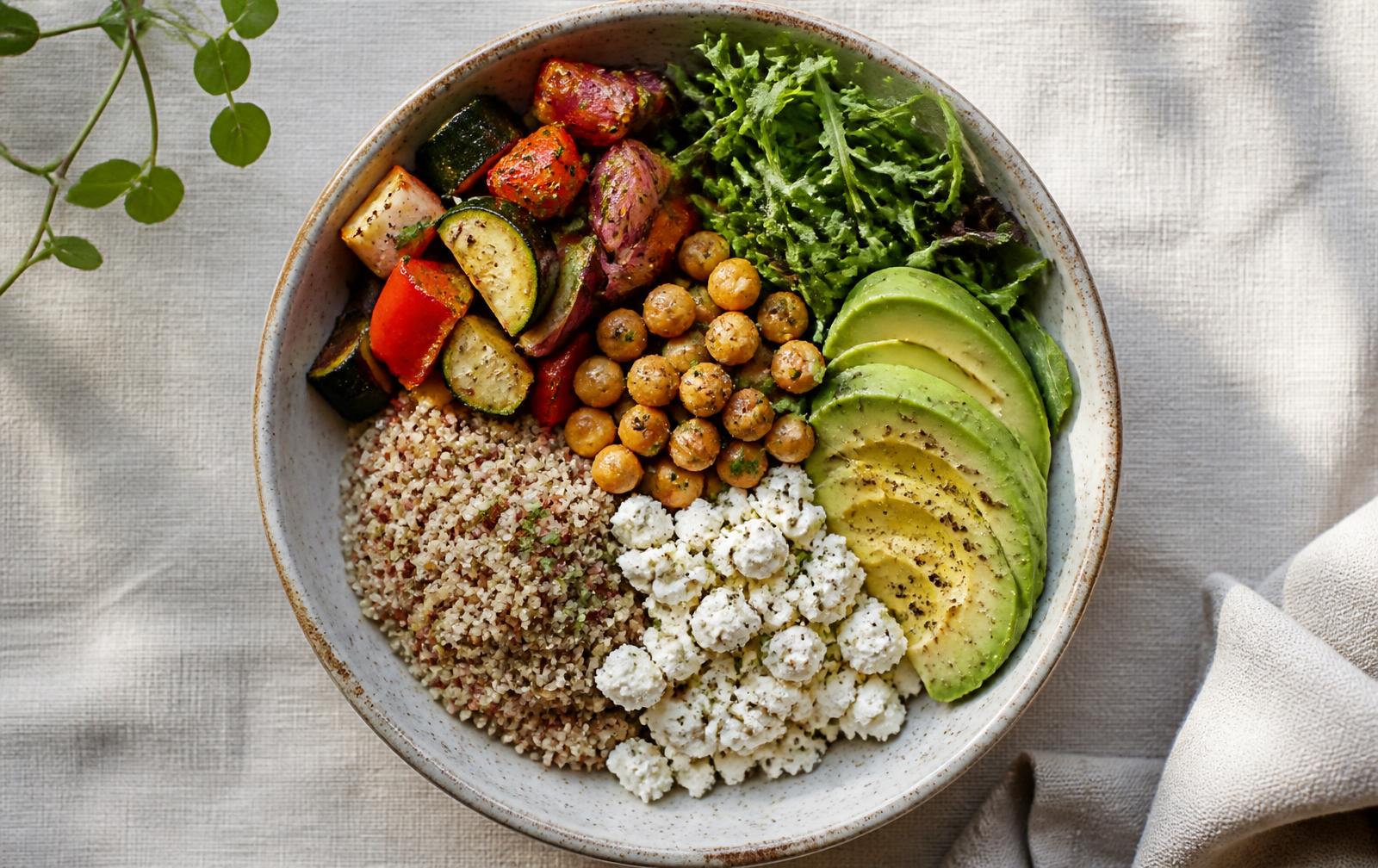
Healthy eating
10 common pantry ingredients explained
What tahini, quinoa, chia seeds, miso and nutritional yeast actually are, how they taste and the easiest ways to use them.
Simple Sustenance · 17 September 2026 · 7 min read
Simple Sustenance · 17 September 2026 · 7 min read
Every time you open a cookbook or browse recipes online, you're likely to come across an ingredient you've never used before.
Tahini. Nutritional yeast. Miso. Flaxseed.
If you've ever wondered whether these ingredients are worth buying, you're not alone.
The good news is that many pantry staples aren't difficult or expensive to use. In fact, once you understand what they do, you'll often find yourself reaching for them again and again.
Here's a practical guide to ten common pantry ingredients, what they are, how they taste and the easiest ways to use them.
1. Tahini
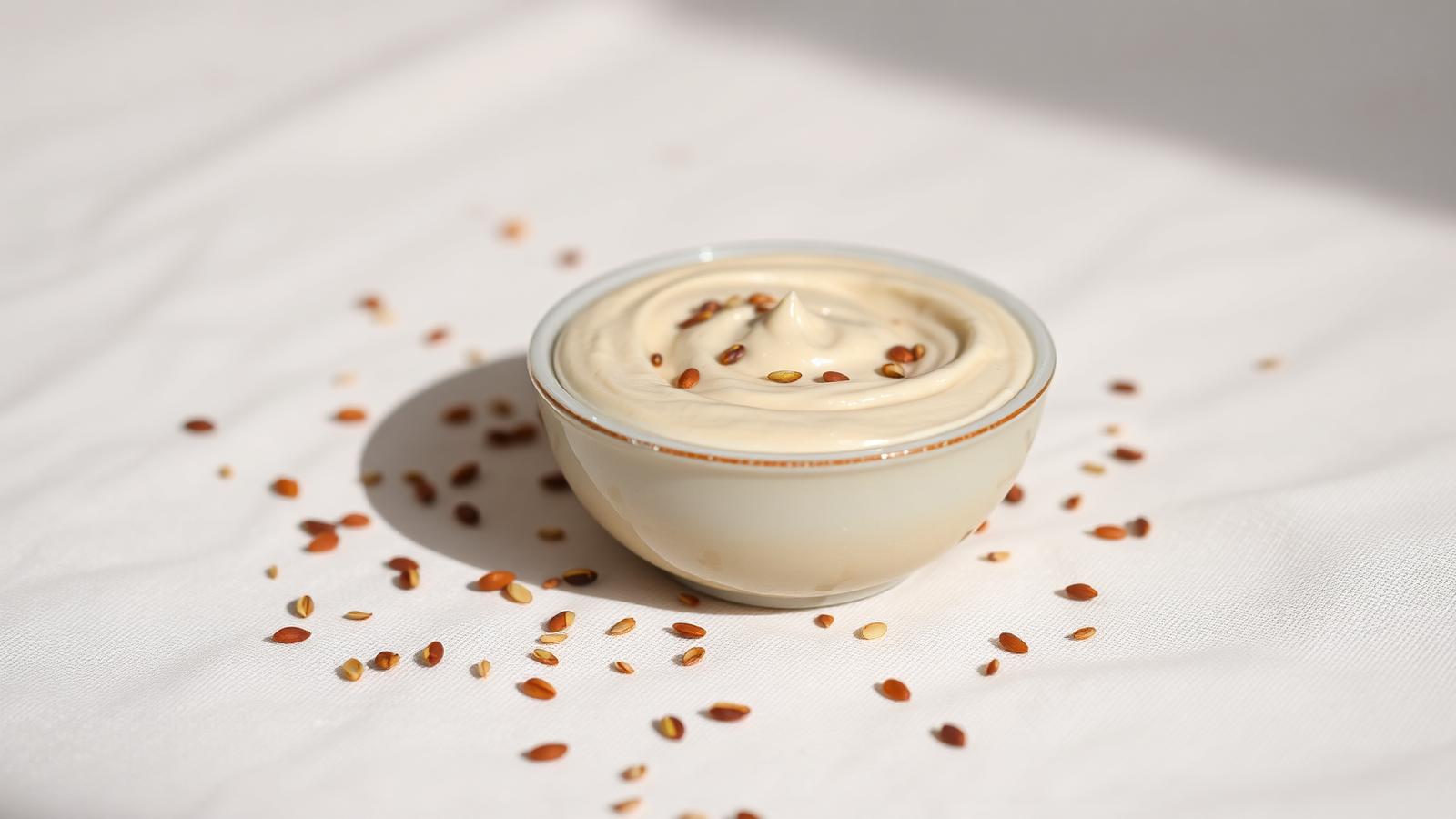
Bowl of smooth tahini
What is it?
Tahini is a smooth paste made from ground sesame seeds. It's commonly used in Middle Eastern cooking and has a rich, nutty flavour.
What does it taste like?
Creamy, slightly earthy and gently nutty.
How can I use it?
Tahini is incredibly versatile.
- Homemade hummus
- Salad dressings
- Sauces
- Grain bowls
- Roasted vegetables
- Cookies and brownies
Mixing tahini with lemon juice, garlic and a little water creates a simple dressing that works with almost any salad.
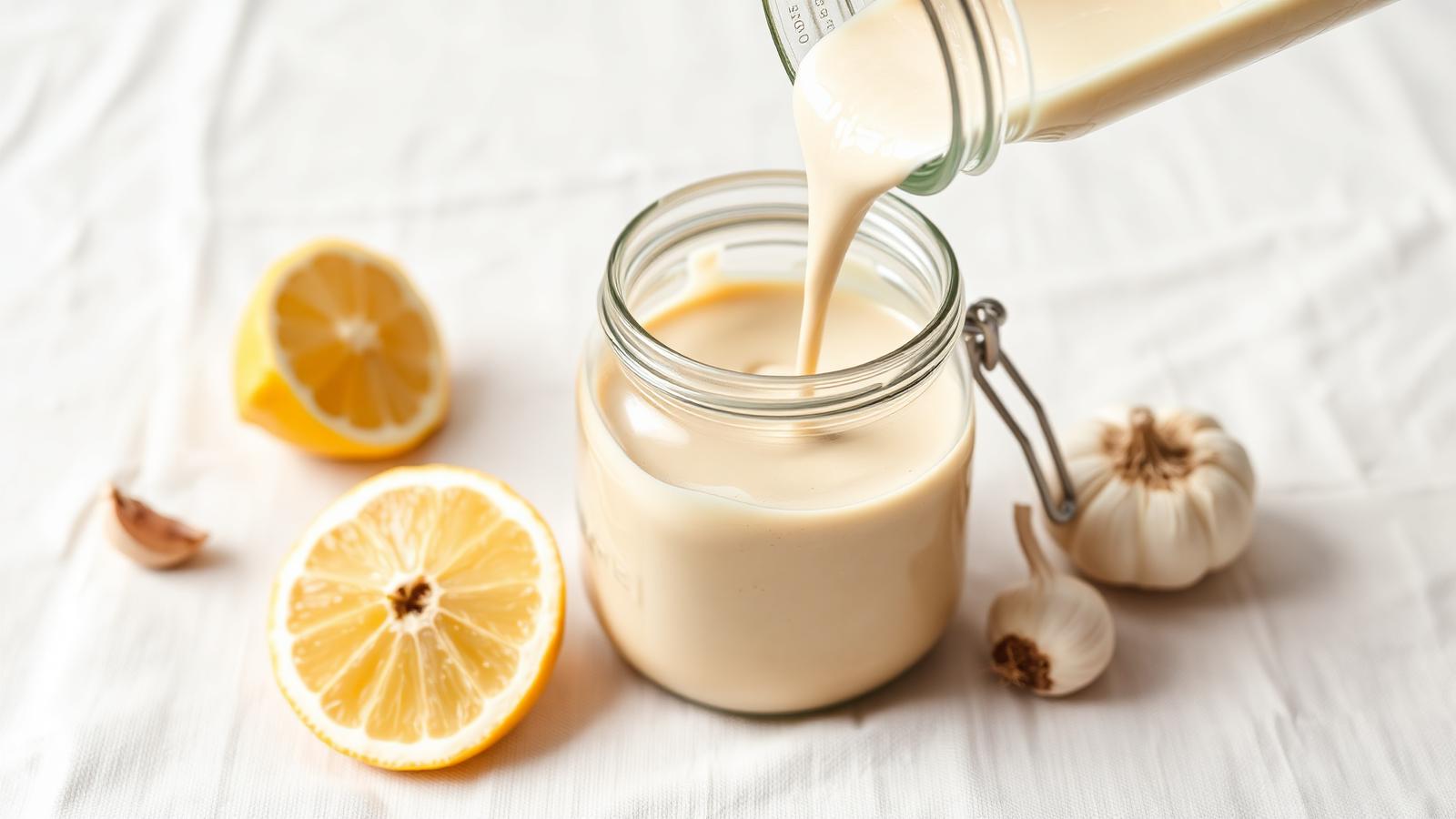
Creamy tahini dressing
2. Chia seeds
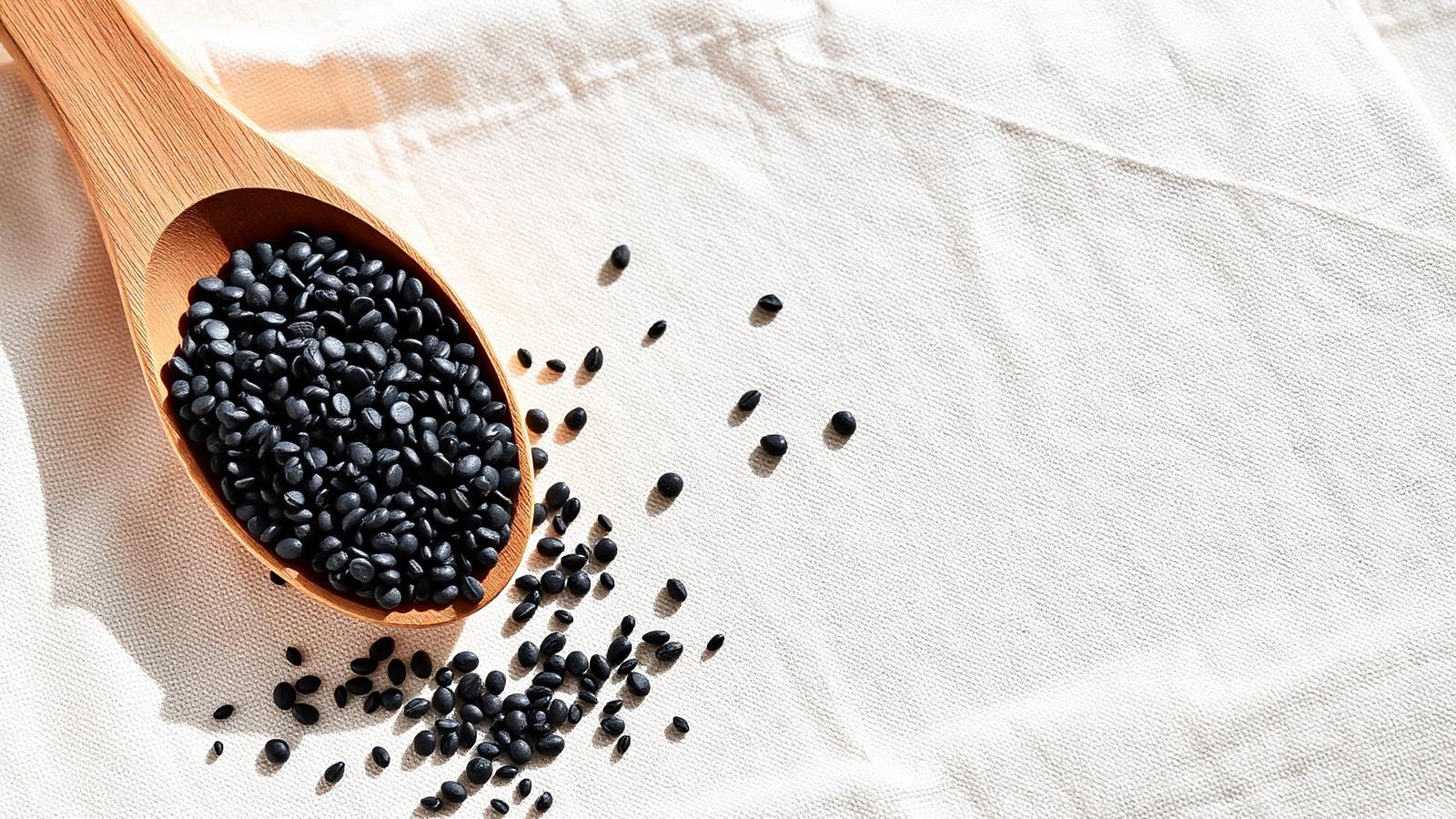
Chia seeds in a wooden spoon
What are they?
Chia seeds are tiny black seeds that absorb liquid and develop a soft, jelly-like coating.
What do they taste like?
Very mild, making them easy to add to recipes without changing the flavour.
How can I use them?
Sprinkle them over:
- Porridge
- Smoothies
- Yoghurt
- Homemade granola
- Overnight oats
Or combine them with milk to make chia pudding. A little goes a long way.
3. Flaxseed
What is it?
Flaxseed (sometimes called linseed) comes in whole or ground form. Ground flaxseed is easier to use in everyday cooking.
What does it taste like?
Mild, slightly nutty and easy to incorporate into recipes.
How can I use it?
Add it to:
- Smoothies
- Overnight oats
- Pancake batter
- Muffins
- Homemade bread
- Granola
Ground flaxseed can also be mixed with water to help bind some baking recipes.
4. Nutritional yeast
What is it?
Despite the name, nutritional yeast isn't the same as the yeast used to make bread. It's a deactivated yeast sold as golden flakes or powder.
What does it taste like?
Rich, savoury and slightly cheesy.
How can I use it?
Sprinkle it over:
- Pasta
- Popcorn
- Soups
- Salads
- Roasted vegetables
It also works well in homemade sauces and dairy-free pesto.
5. Miso paste
What is it?
Miso is a fermented paste traditionally made from soybeans. A small spoonful adds remarkable depth to many dishes.
What does it taste like?
Rich, savoury and deeply umami.
How can I use it?
Stir it into:
- Soups
- Broths
- Noodle dishes
- Marinades
- Stir-fries
- Salad dressings
Because miso has such a concentrated flavour, you only need a little.
6. Quinoa
What is it?
Although often treated like a grain, quinoa is actually a seed. It cooks in much the same way as rice.
What does it taste like?
Light, fluffy and slightly nutty.
How can I use it?
Serve it with:
- Roasted vegetables
- Curries
- Stir-fries
- Salads
- Grain bowls
It also works well mixed into soups or stuffed peppers.
7. Coconut milk
What is it?
Coconut milk is made by blending coconut flesh with water. It's commonly sold in tins and is a fantastic cupboard staple.
What does it taste like?
Creamy with a subtle coconut flavour.
How can I use it?
Perfect for:
- Curries
- Soups
- Brazilian moqueca
- Smoothies
- Desserts
- Rice dishes
An opened tin can also be frozen in portions for future recipes.
8. Rolled oats
What are they?
Rolled oats are one of the most affordable and versatile pantry staples you can buy.
What do they taste like?
Mild and slightly nutty.
How can I use them?
Much more than just porridge. Try them in:
- Homemade granola
- Overnight oats
- Smoothies
- Muffins
- Pancakes
- Homemade oat flour
- Crumble toppings
Buying larger bags often works out much better value.
9. Lentils
What are they?
Lentils are small pulses that come in several varieties, including red, green, brown and black. Each cooks slightly differently, making them suitable for different recipes.
What do they taste like?
Mild and earthy, making them excellent at absorbing other flavours.
How can I use them?
Add them to:
- Soups
- Curries
- Bolognese
- Salads
- Shepherd's pie
- Dhal
Red lentils soften quickly, while green and brown lentils hold their shape better.
10. Tinned chickpeas
What are they?
Chickpeas are one of the most useful ingredients you can keep in your cupboard. They're inexpensive, versatile and ready to use straight from the tin.
What do they taste like?
Mild and slightly nutty.
How can I use them?
Try them in:
- Hummus
- Curries
- Salads
- Soups
- Pasta dishes
- Roasted snacks
- Grain bowls
Don't forget to save the liquid from the tin (aquafaba), which can be used in a surprising variety of recipes.
You don't need everything at once
Looking at lists like this, it's easy to feel as though you need a perfectly stocked pantry before you can start cooking. You don't.
The best approach is to build your pantry gradually. Perhaps you pick up a jar of tahini this week, a bag of quinoa next month and some nutritional yeast when you find a recipe that calls for it.
As your pantry grows, you'll begin to notice the same ingredients appearing across different cuisines and recipes. That's when cooking starts to feel easier.
Instead of buying something for a single meal, you're investing in ingredients you'll use again and again.
A little knowledge goes a long way
Learning about pantry ingredients isn't about making cooking more complicated. It's about giving yourself more options.
Once you know what these ingredients taste like and how they work, you'll feel more confident trying new recipes, adapting old favourites and making the most of what's already in your cupboard.
Cooking doesn't require a specialist kitchen or expensive ingredients. Sometimes all it takes is understanding one new ingredient at a time.
Try something new this week
Choose one ingredient from this guide that you've never cooked with before.
Add it to a simple recipe, experiment with a new flavour and see how it fits into your everyday meals.
Building confidence in the kitchen doesn't happen overnight, but every new ingredient you learn is another tool you can use for years to come.