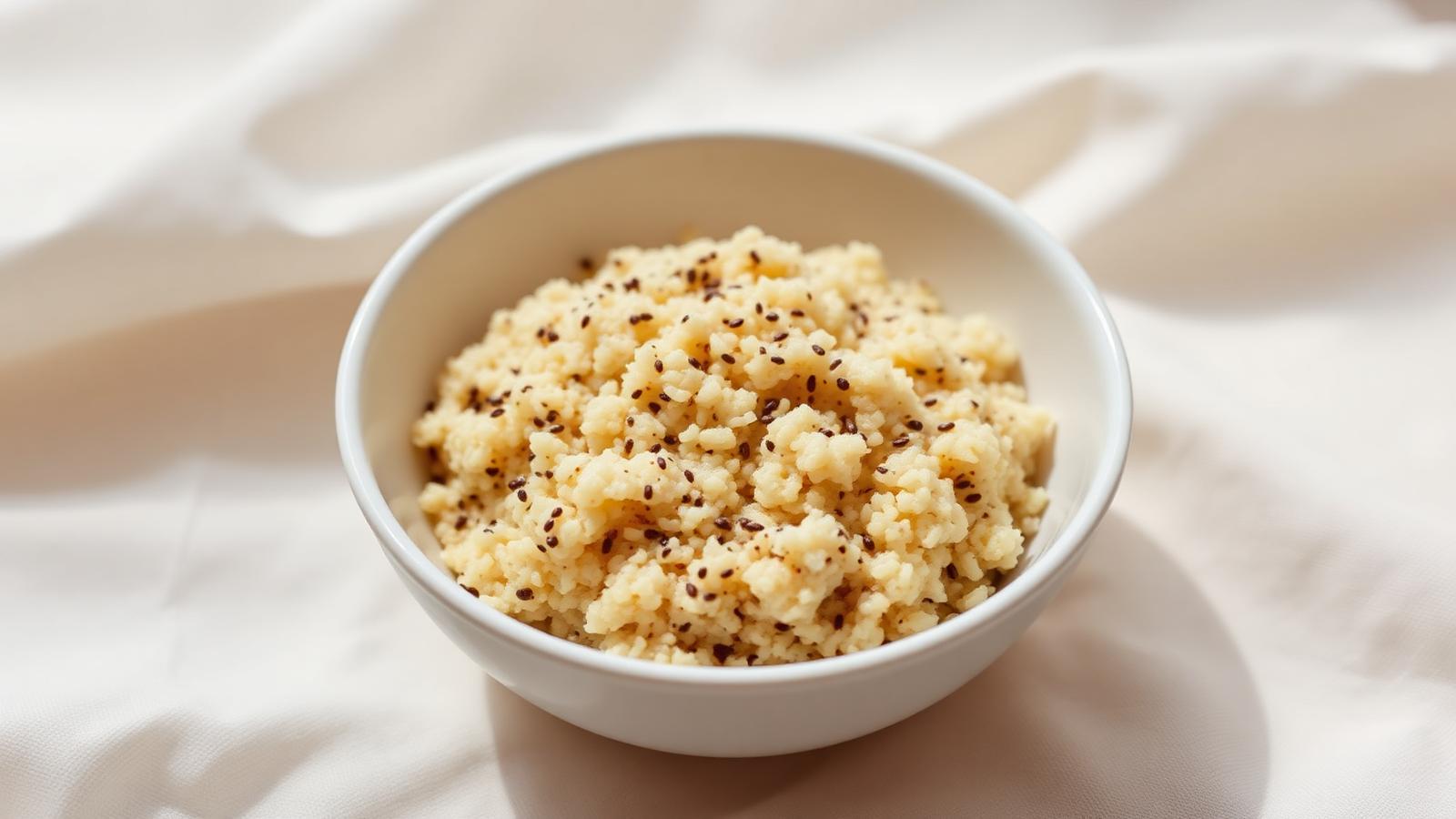
Healthy eating
How to build a balanced meal without counting calories
Forget calorie counting. Here is a simple, flexible way to build balanced meals with protein, vegetables, quality carbohydrates and healthy fats.
Simple Sustenance · 22 October 2026 · 6 min read
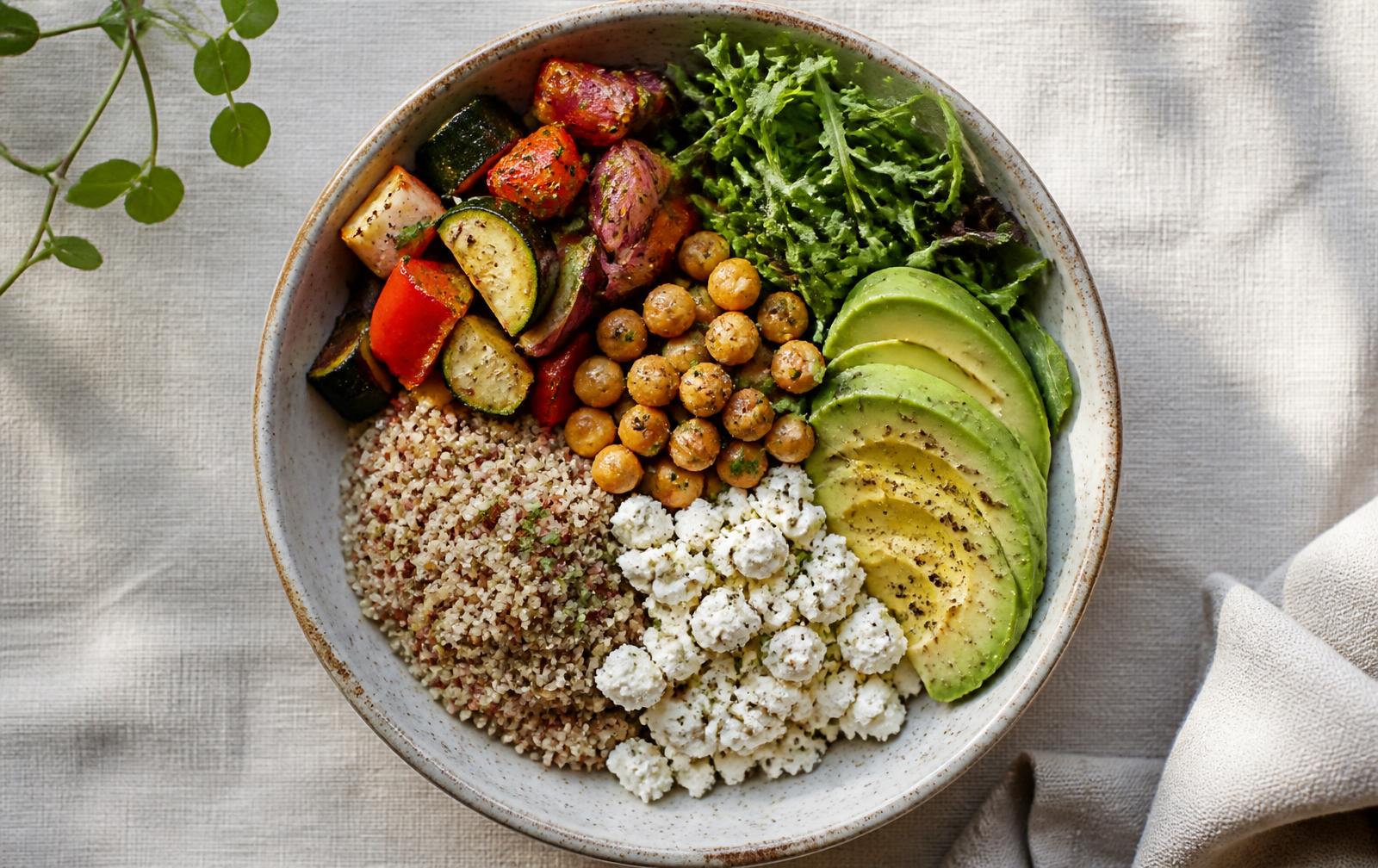
How to build a balanced meal without counting calories
Published: 22 October 2026
Healthy eating has become increasingly complicated. Between calorie trackers, macro calculators and endless nutrition advice on social media, it can feel as though every meal requires a spreadsheet.
The reality is much simpler.
Building balanced meals means giving your body the nutrients it needs to feel energised, satisfied and nourished throughout the day. Focusing on balance instead of restriction makes healthy eating more sustainable and far more enjoyable.
At Simple Sustenance, we believe food should support your life while remaining simple, practical and enjoyable.
Why balance matters more than calories
Calories tell you how much energy a food contains, but they don't tell you much about its nutritional value.
Two meals might contain the same number of calories while leaving you feeling completely different afterwards.
A balanced meal provides:
- lasting energy
- protein to support muscles and repair
- fibre to help you feel satisfied for longer
- healthy fats for brain and heart health
- vitamins and minerals that help your body function at its best.
Rather than worrying about numbers, aim to include a variety of nourishing foods on your plate.
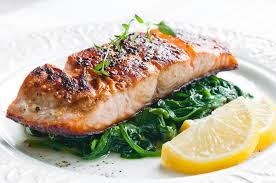
Start with a source of protein
Protein is one of the most satisfying nutrients and helps keep hunger at bay between meals.
Good options include:
- chicken
- turkey
- fish
- eggs
- tofu
- lentils
- beans
- Greek yoghurt
- cottage cheese.
Including protein at each meal can help support muscle maintenance, improve satiety and provide more consistent energy throughout the day.
Fill half your plate with vegetables
Vegetables are naturally rich in fibre, vitamins and antioxidants. They also add colour, texture and flavour to meals.
Salads are only one option. Roasted vegetables, stir-fries, soups, curries and steamed greens all contribute towards a balanced diet.
Aim for a variety of colours throughout the week, as different colours provide different nutrients.
Some great choices include:
- broccoli
- peppers
- spinach
- carrots
- tomatoes
- mushrooms
- courgettes
- peas
- green beans.
Frozen vegetables are just as nutritious as fresh and are often more affordable.

Include quality carbohydrates
Carbohydrates are your body's preferred source of energy and deserve a place in a balanced diet.
Choose options that provide fibre and longer-lasting energy whenever practical.
Examples include:
- potatoes
- sweet potatoes
- brown rice
- wholemeal pasta
- oats
- quinoa
- wholegrain bread
- couscous.
White rice, pasta and bread can also form part of a healthy, balanced diet. Consistency over time has a much greater impact than aiming for perfection at every meal.
Don't forget healthy fats
Healthy fats help absorb certain vitamins, support brain health and make meals more satisfying.
Easy ways to include them are:
- avocado
- olive oil
- nuts
- seeds
- peanut butter
- oily fish such as salmon.
Even small portions of healthy fats can help meals feel more complete and satisfying.
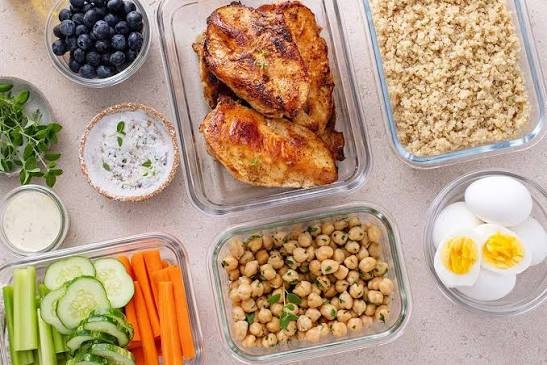
Add fruit where it fits naturally
Fruit is packed with fibre, vitamins and natural sweetness.
It can be enjoyed at any time of day.
Try adding fruit to:
- yoghurt
- porridge
- salads
- smoothies
- snacks
- desserts.
Fresh, frozen, tinned in juice and dried fruit can all play a role in a balanced diet.
Listen to your hunger
Stepping away from calorie counting gives you the opportunity to reconnect with your body's natural hunger signals.
Try asking yourself:
- Am I genuinely hungry?
- Am I comfortably full?
- Will this meal keep me satisfied for the next few hours?
Eating mindfully can help you enjoy your food more while reducing the pressure to follow strict rules.
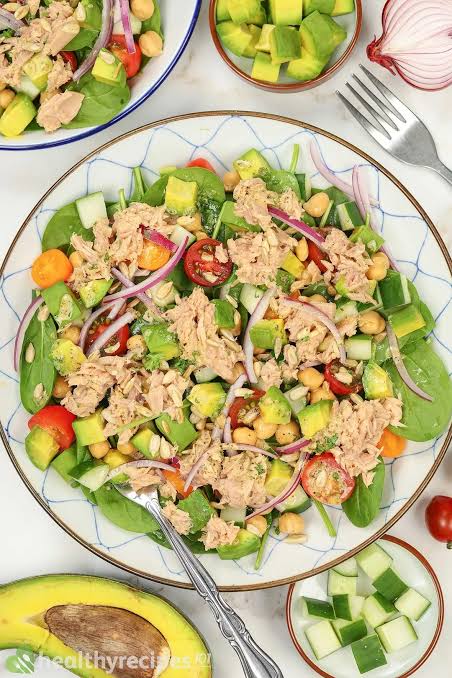
Build meals using the balanced plate approach
A simple visual guide works well for most meals:
- around half your plate vegetables or salad
- around one quarter protein
- around one quarter carbohydrates
- add a small serving of healthy fats.
Think of this as a flexible guide rather than a strict rule.
Some meals will naturally look different, and that's perfectly normal.
Examples of balanced meals
Breakfast
Porridge topped with berries, chopped almonds and a spoonful of Greek yoghurt.
Lunch
Wholemeal wrap filled with grilled chicken, mixed salad, cucumber and hummus, served with fruit.
Dinner
Baked salmon with roasted sweet potato, broccoli and peas.
Vegetarian option
Lentil and vegetable curry served with brown rice and spinach.
Quick meal
Beans on wholemeal toast with sliced tomatoes and a handful of spinach.
None of these meals require weighing ingredients or calculating calories.
Healthy eating doesn't have to be perfect
Every meal doesn't need to tick every nutritional box.
Some days you'll enjoy a homemade stir-fry packed with vegetables.
Other days dinner might be beans on toast after a long day at work.
Both can fit comfortably within an overall healthy eating pattern.
The aim is to build eating habits that are realistic, enjoyable and sustainable over the long term.
Final thoughts
Healthy eating becomes much less stressful when the focus shifts from numbers to nourishing your body.
Including protein, vegetables, carbohydrates and healthy fats in most meals creates balanced plates that support your health without the need to count calories.
Small, consistent habits often make the greatest difference over time.
At Simple Sustenance, we believe healthy eating should feel achievable, enjoyable and sustainable, one balanced meal at a time.