Healthy eating
Healthy eating on a budget: a practical guide
Healthy eating doesn't have to be expensive. Discover practical strategies, affordable staple foods and simple meal-planning tips to eat well while sticking to your budget.
Simple Sustenance · 9 July 2026 · 7 min read
Can you eat healthy on a budget?
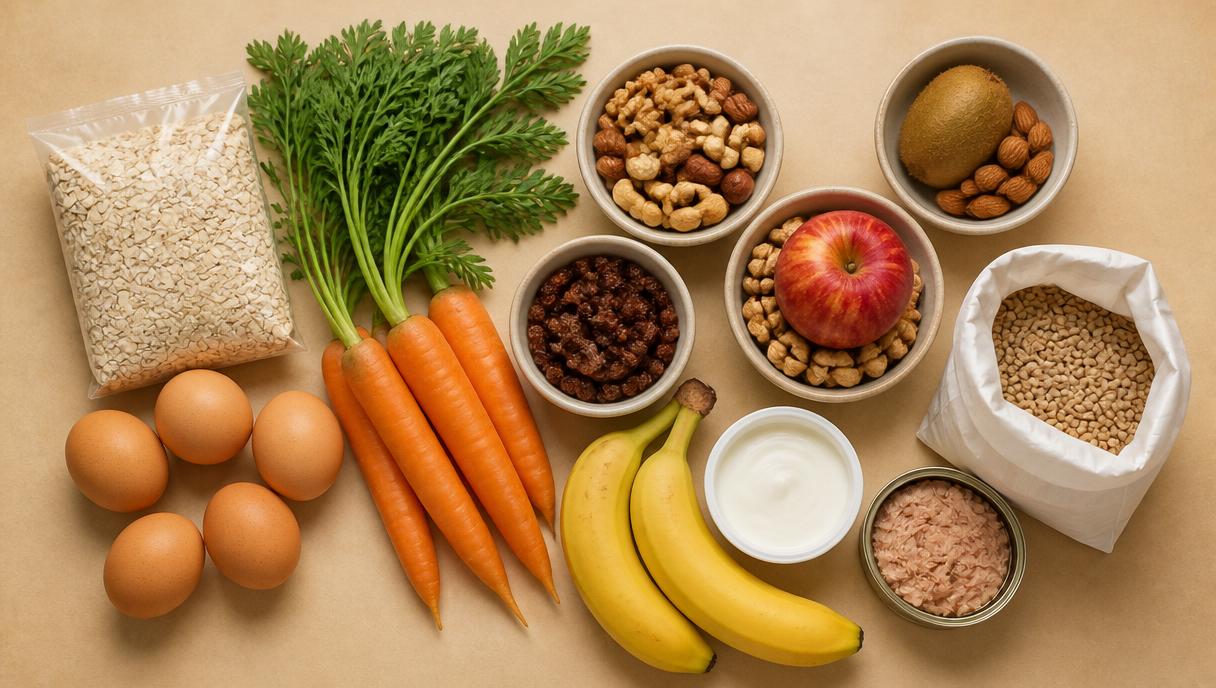
One of the biggest misconceptions about nutrition is that healthy eating requires expensive ingredients, speciality products, or a weekly shop filled with premium foods.
In reality, many of the most nutritious foods available are also some of the most affordable.
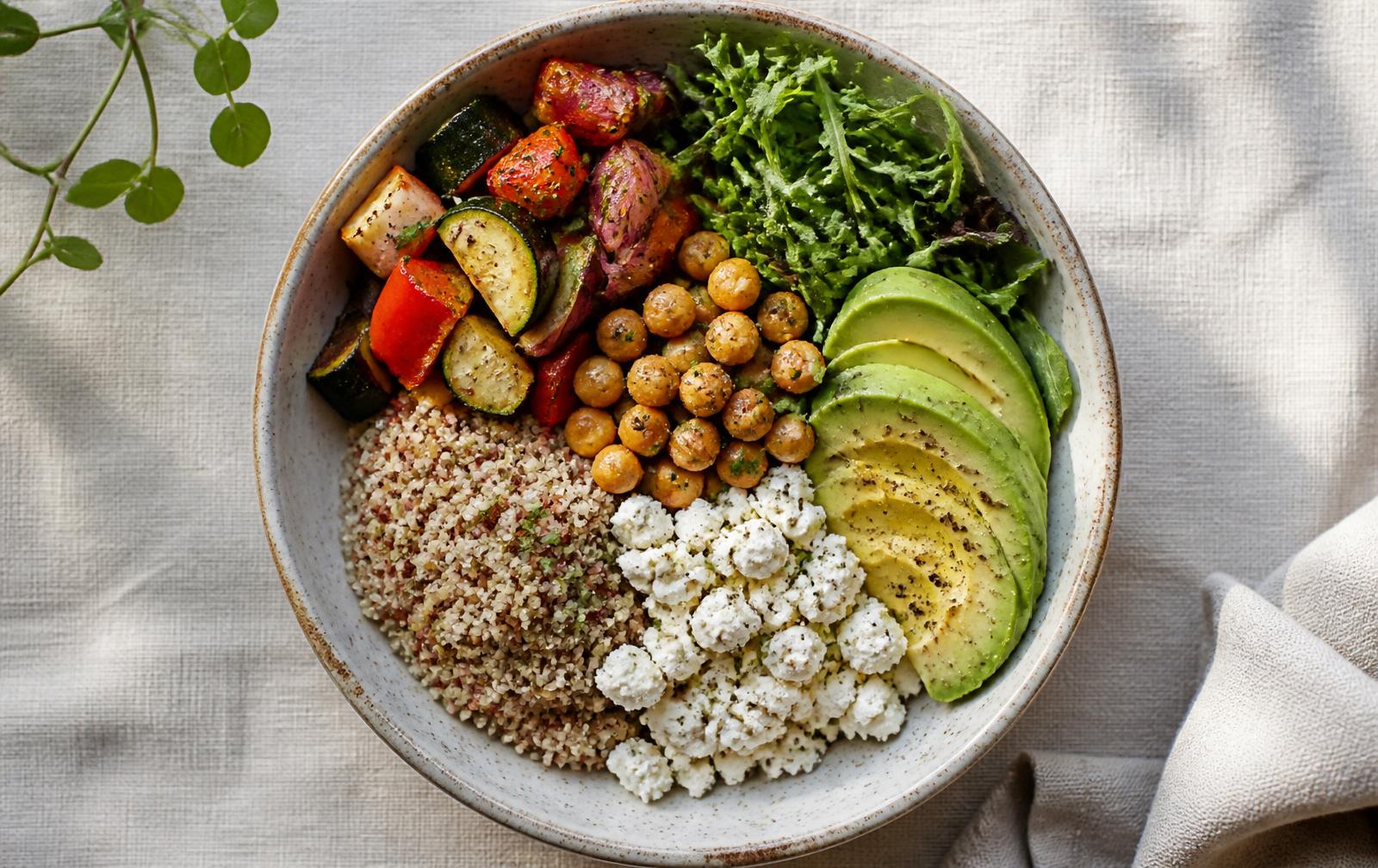
Healthy eating is less about buying expensive "health foods" and more about building meals around simple, nutrient-dense ingredients that fit your lifestyle and your budget.
With a little planning, it's entirely possible to eat well without overspending.
Start with a plan
One of the easiest ways to reduce food spending is to plan your meals before you shop.
Without a plan, it's easy to buy ingredients you don't use, make impulse purchases, or rely on expensive convenience foods during busy weeks.
Before shopping:
- Decide what you'll eat for the week.
- Check what you already have at home.
- Write a shopping list.
- Stick to it where possible.
Even a simple meal plan can help reduce waste and save money over time.
Focus on affordable protein sources
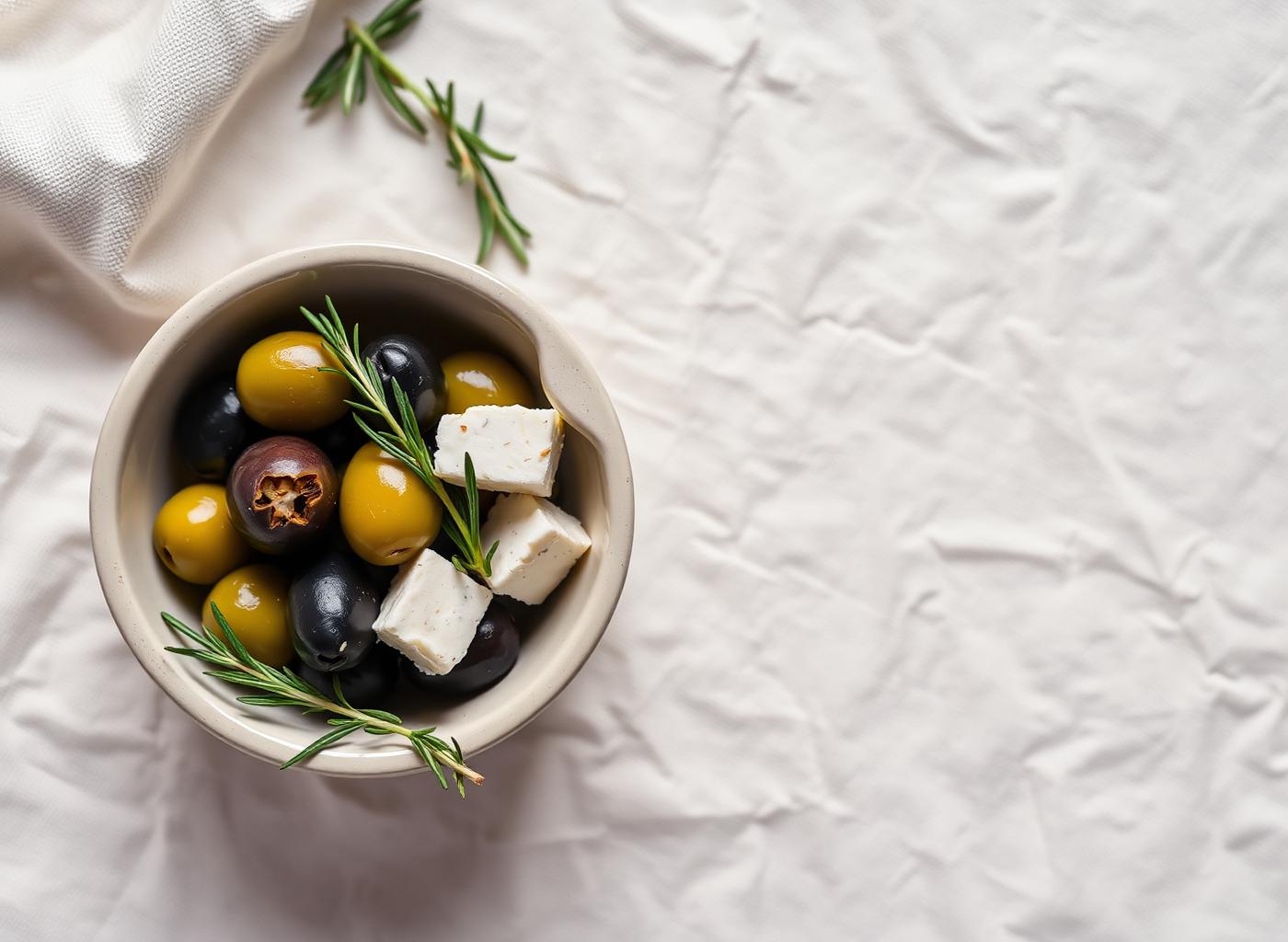
Protein is often viewed as the expensive part of a healthy diet, but there are many budget-friendly options.
Some affordable protein-rich foods include:
- Eggs
- Greek yoghurt
- Cottage cheese
- Tinned tuna
- Tinned sardines
- Chicken thighs
- Tofu
- Lentils
- Beans
- Chickpeas
These foods can form the foundation of nutritious meals without significantly increasing your grocery bill.
Buy frozen fruit and vegetables
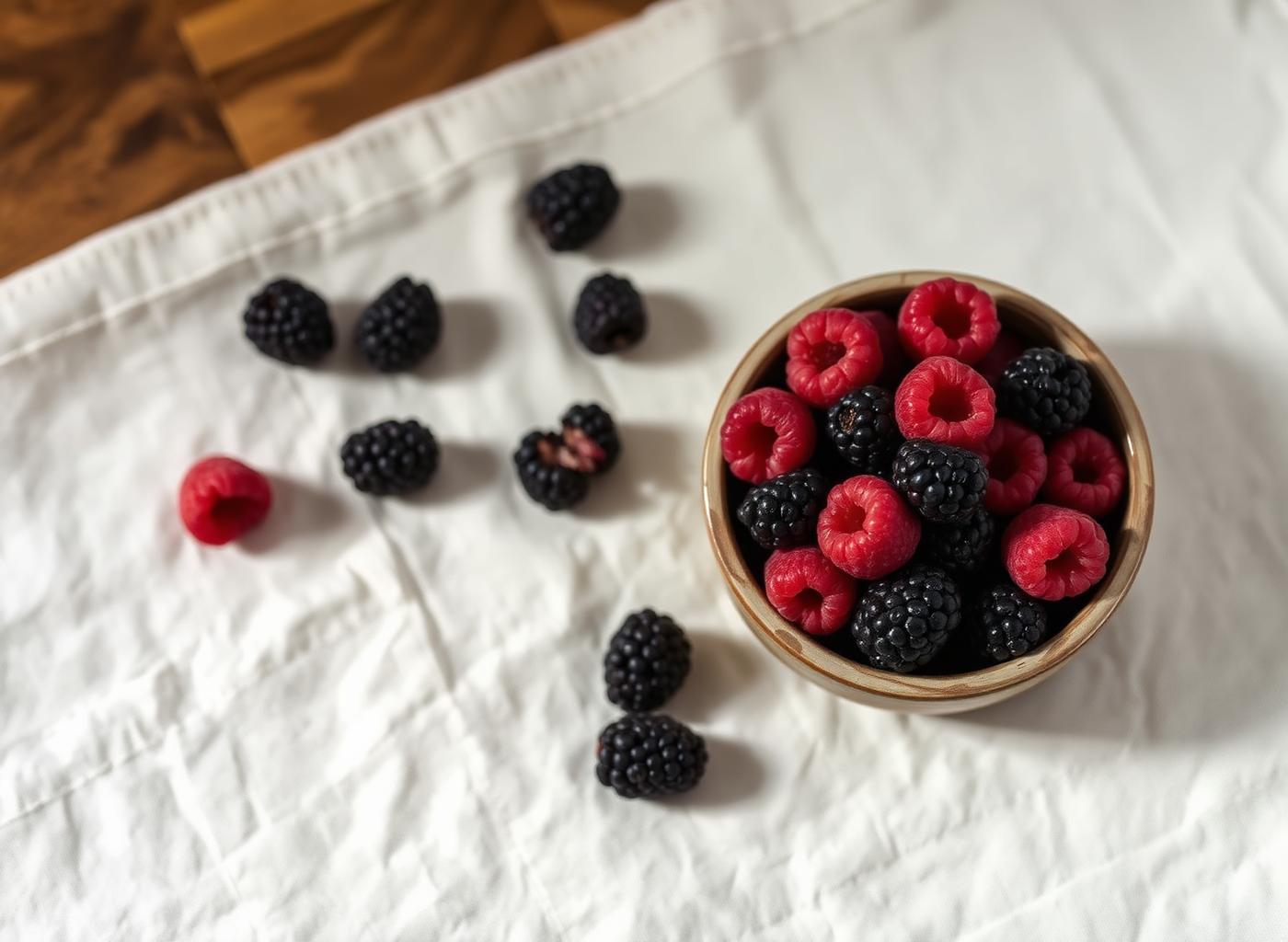
Fresh produce is excellent, but frozen alternatives can often provide similar nutritional value at a lower cost.
Benefits include:
- Longer shelf life
- Reduced food waste
- Convenience
- Often lower cost per portion
Frozen berries, peas, broccoli, spinach, and mixed vegetables are particularly useful staples to keep on hand.
Build meals around simple staples
Many healthy meals start with inexpensive ingredients.
Examples include:
- Oats — affordable, versatile, and rich in fibre.
- Rice — an excellent base for countless meals.
- Potatoes — nutritious, filling, and budget-friendly.
- Wholemeal pasta — provides energy and can be paired with a variety of protein sources.
- Beans and lentils — low-cost ingredients that add protein, fibre, and volume to meals.
These staples can help stretch your food budget while keeping meals satisfying.
Cook more meals at home
Convenience foods and takeaways can quickly become expensive.
Cooking at home doesn't need to involve complicated recipes.
Simple meals such as:
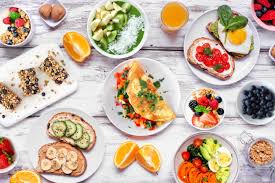
- Vegetable omelettes
- Chicken and rice bowls
- Lentil curries
- Pasta with tuna and vegetables
- Homemade soups
can often cost significantly less per serving than restaurant or takeaway alternatives.
Use leftovers intentionally
Leftovers can be one of the most effective ways to save money and reduce waste.
When preparing dinner, consider making extra portions that can be used for:
- Lunches
- Freezer meals
- Future dinners
For example, a roast chicken can become:
- A Sunday dinner
- Monday lunch wraps
- Tuesday soup
Making ingredients work harder can help maximise value from your grocery budget.
Avoid shopping hungry
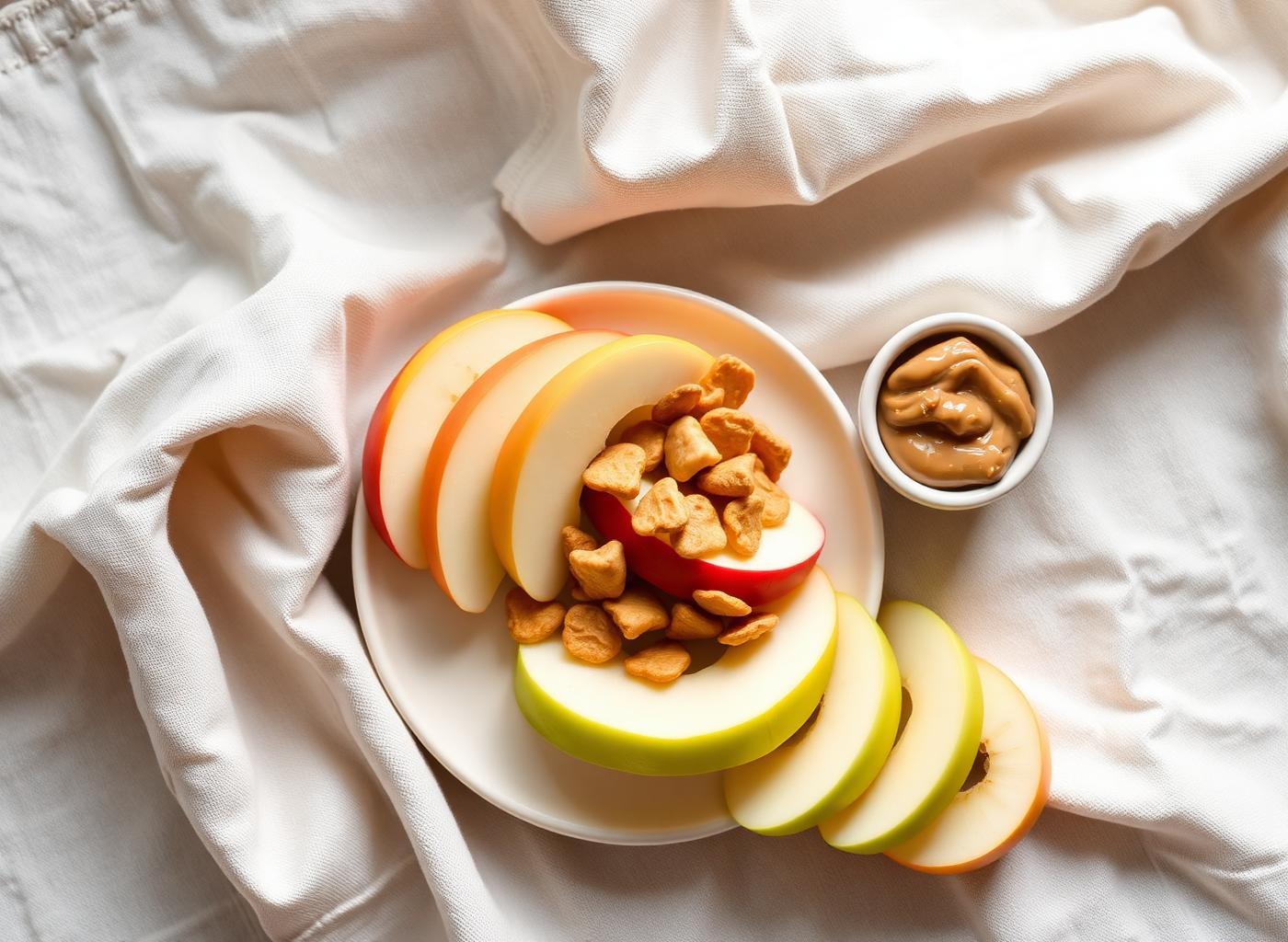
It sounds simple, but shopping while hungry often leads to unnecessary purchases.
Having a snack before visiting the supermarket can make it easier to stick to your shopping list and avoid impulse buys.
Small habits like this can make a noticeable difference over time.
Compare price per unit
Supermarket promotions don't always represent the best value.
When comparing products, look at:
- Price per kilogram
- Price per litre
- Price per serving
Larger packs can sometimes offer better value, particularly for pantry staples that have a long shelf life.
A sample budget-friendly day of eating
Breakfast — Greek yoghurt with oats and berries
Lunch — Tuna and sweetcorn jacket potato
Snack — Apple and peanut butter
Dinner — Chicken, rice, and mixed vegetables
Dessert — Cottage cheese with cinnamon
This type of daily menu can provide a balance of protein, fibre, and nutrients while remaining relatively affordable.
Healthy eating doesn't need to be perfect
Many people believe healthy eating requires organic produce, expensive supplements, or specialist products.
In reality, consistency matters far more than perfection.
Simple habits such as:
- Eating more vegetables
- Including protein at meals
- Planning ahead
- Cooking at home more often
can have a meaningful impact on both health and spending.
The goal isn't to create the perfect diet. It's to build sustainable habits that fit your budget and lifestyle.
Final thoughts
Healthy eating doesn't need to be complicated or expensive.
By planning ahead, choosing affordable staples, reducing food waste, and focusing on simple nutritious meals, it's possible to support your health goals without overspending.
Small changes made consistently often lead to the biggest long-term results.
For more practical nutrition advice, healthy recipes, and sustainable habit-building guidance, subscribe to the Simple Sustenance newsletter and receive new articles every week.
Trying to reduce sugar without increasing your food bill? Explore 25 sugar-free snacks that actually taste good.