Healthy eating
Meal planning for a busy week
Simple, practical strategies to save time, reduce stress and make healthy eating easier during even the busiest weeks.
Simple Sustenance · 16 July 2026 · 5 min read

Learn how to meal plan for a busy week with simple, practical strategies that save time, reduce stress, minimise food waste, and make healthy eating easier.
Why meal planning matters
When life gets busy, healthy eating is often one of the first habits to suffer.
Long workdays, family commitments, social plans, and unexpected events can make it tempting to rely on takeaways, convenience foods, or whatever happens to be available at the time.
Meal planning isn't about creating a perfect schedule or eating the same thing every day. It's about removing decision-making from your week, so healthier choices take less effort when things get hectic.
A simple meal plan can help you:
- Save time during the week
- Reduce food waste
- Spend less on groceries
- Feel more organised
- Make healthy eating more sustainable
And it doesn't need to take hours to put together.
Start with your schedule
Before planning meals, take a quick look at what the week actually holds.
Ask yourself:
- Which evenings will be busiest?
- Are there any social events planned?
- Which days will you be working late?
- When will you have time to cook?
Knowing the answers helps you match meals to the time you'll realistically have, rather than the time you'd like to have.
A busy Wednesday evening might call for a 15-minute meal, while a slower Sunday leaves room for something more involved.
Keep it simple
One of the most common meal-planning mistakes is overcomplicating the plan itself.
You don't need seven new recipes every week — meals you already enjoy and know how to make are easier to stick to, and just as effective.
For example:
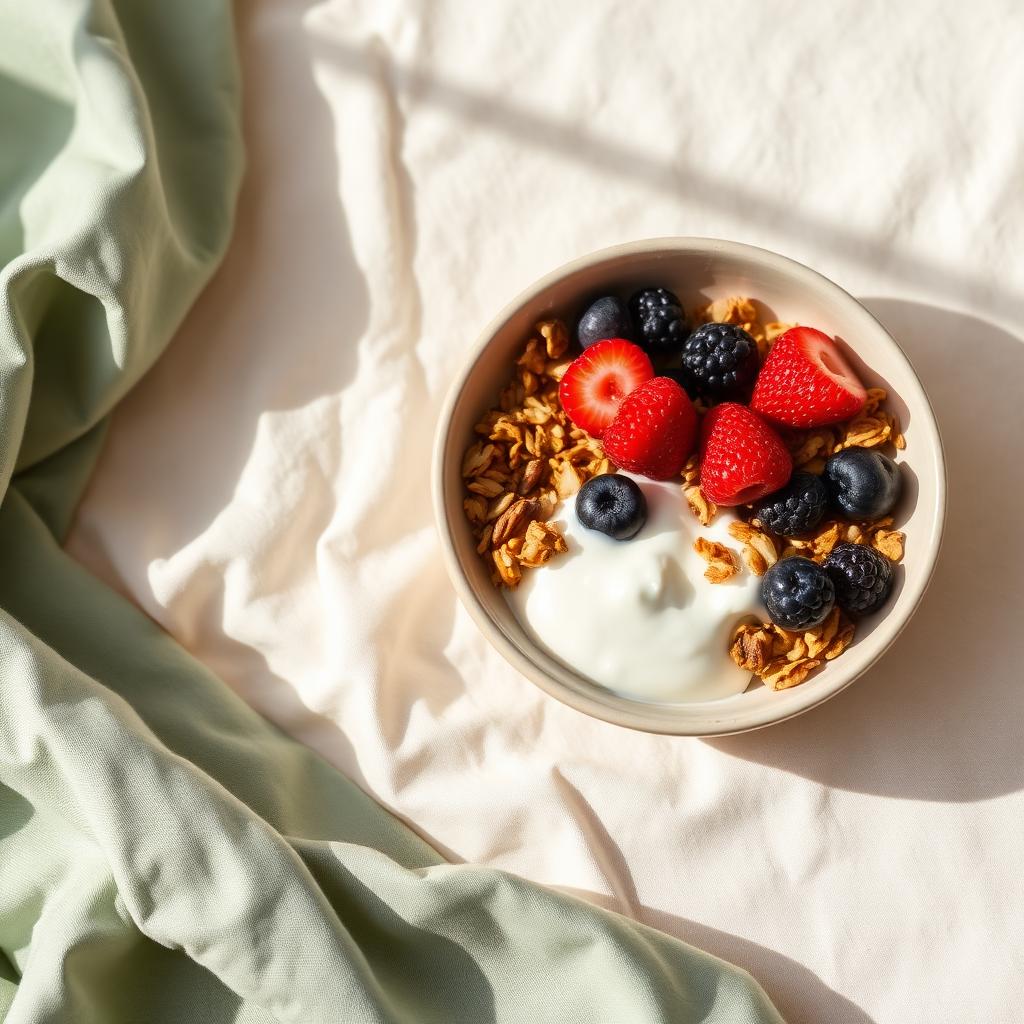
Breakfasts
- Greek yoghurt and berries
- Overnight oats
- Eggs on toast
Lunches
- Leftovers
- Wraps
- Salads with protein
Dinners
- Stir-fries
- Pasta dishes
- Chicken and vegetables
- Rice bowls
Fewer moving parts means fewer decisions — and a plan you'll actually follow.
Plan around core ingredients
Rather than buying different ingredients for every meal, build several meals around the same staples — they'll stretch further and leave less sitting unused in the fridge.
For example:
Chicken
- Chicken wraps
- Chicken stir-fry
- Chicken salad
Rice
- Burrito bowls
- Stir-fries
- Curry dishes
Vegetables
- Side dishes
- Soups
- Salads
- Omelettes
This approach cuts down on waste and keeps your grocery bill predictable.
Choose a few go-to meals
Most people don't need endless variety — a small rotation of reliable meals removes most of the daily "what's for dinner" stress.
A few worth keeping on hand:
- Vegetable omelette
- Chicken and rice bowl
- Tuna pasta
- Lentil curry
- Chilli con carne
- Baked potatoes with toppings
Lean on these whenever decision fatigue sets in.
Create a simple shopping list
Once your meals are planned, turn them into a shopping list before you head to the supermarket.
Sorting the list into categories speeds things up:
Protein
- Chicken
- Eggs
- Greek yoghurt
Vegetables
- Broccoli
- Spinach
- Peppers
Fruit
- Apples
- Bananas
- Berries
Pantry items
- Rice
- Pasta
- Oats
Shopping with a list in hand cuts down on impulse buys and keeps you closer to budget.
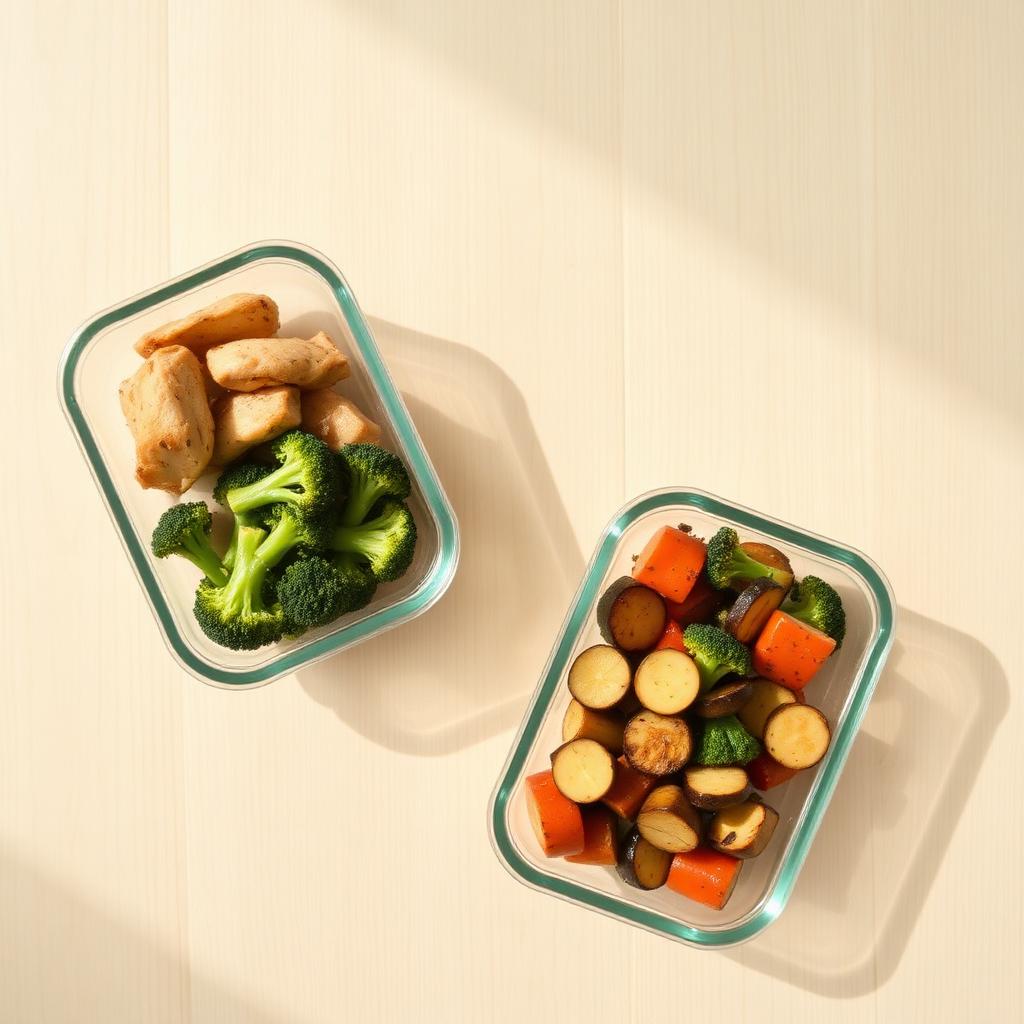
Prepare what you can in advance
A little prep work goes a long way toward making the week easier on yourself.
Consider:
- Washing vegetables
- Cooking rice
- Preparing overnight oats
- Portioning snacks
- Batch cooking protein sources
Even 30 minutes on a Sunday can buy back real time later in the week.
Have backup meals available
No matter how organised you are, some weeks go sideways.
A few backup ingredients in the freezer or cupboard can be the difference between a balanced meal and a last-minute takeaway order.
Keep on hand:
- Frozen vegetables
- Eggs
- Tinned tuna
- Wholemeal wraps
- Microwave rice
- Frozen chicken
These come together into something balanced in under 15 minutes.
Don't aim for perfection
Meal planning isn't a rigid schedule, and plans will occasionally change — that's completely normal.
Think of your meal plan as a guide rather than a set of rules. Flexibility tends to produce more consistency over time than strictness does.
The goal is to make healthy eating easier, not to add another thing to get right.
*Struggling to decide what to eat? Simple Sustenance creates personalised meal plans and shopping lists in minutes, helping you eat well even during busy weeks.*
A simple example meal plan

Monday Chicken stir-fry with rice
Tuesday Greek yoghurt, fruit, and granola breakfast Tuna jacket potato lunch Pasta with vegetables dinner
Wednesday Chicken wraps and salad
Thursday Lentil curry and rice
Friday Homemade pizza and salad
Weekend Flexible meals using leftovers or favourite recipes
A simple structure like this gives you direction without locking you in.
How Simple Sustenance can help
One of the biggest barriers to healthy eating is simply deciding what to eat, day after day.
The right tools cut through that decision fatigue with ready-made meal ideas, shopping lists, and structure built around your lifestyle.
And the easier healthy eating becomes, the more likely it sticks.
Final thoughts
Meal planning doesn't need to be complicated. A few minutes spent planning your meals each week can save time, reduce stress, cut food waste, and make healthy eating feel far more manageable.
Start small, keep it simple, and aim for consistency rather than perfection.
For more practical nutrition advice, healthy recipes, and sustainable habit-building guidance, subscribe to the Simple Sustenance newsletter and receive new articles every week.
Want to make healthy eating more affordable? Explore our guide to Healthy Eating on a Budget: A Practical Guide for practical tips on reducing food costs while maintaining a balanced diet.